What Is Biochar? Complete Guide to Biochar Benefits & Applications
Learn what biochar is, how it is produced, its benefits for agriculture, carbon sequestration, soil improvement, and sustainable biomass utilization.
WHAT IS BIOCHAR? EVERYTHING YOU NEED TO KNOW ABOUT BIOCHAR
What is Biochar?
Biochar is a carbon-rich material produced through the pyrolysis of organic biomass under oxygen-limited or oxygen-free conditions.
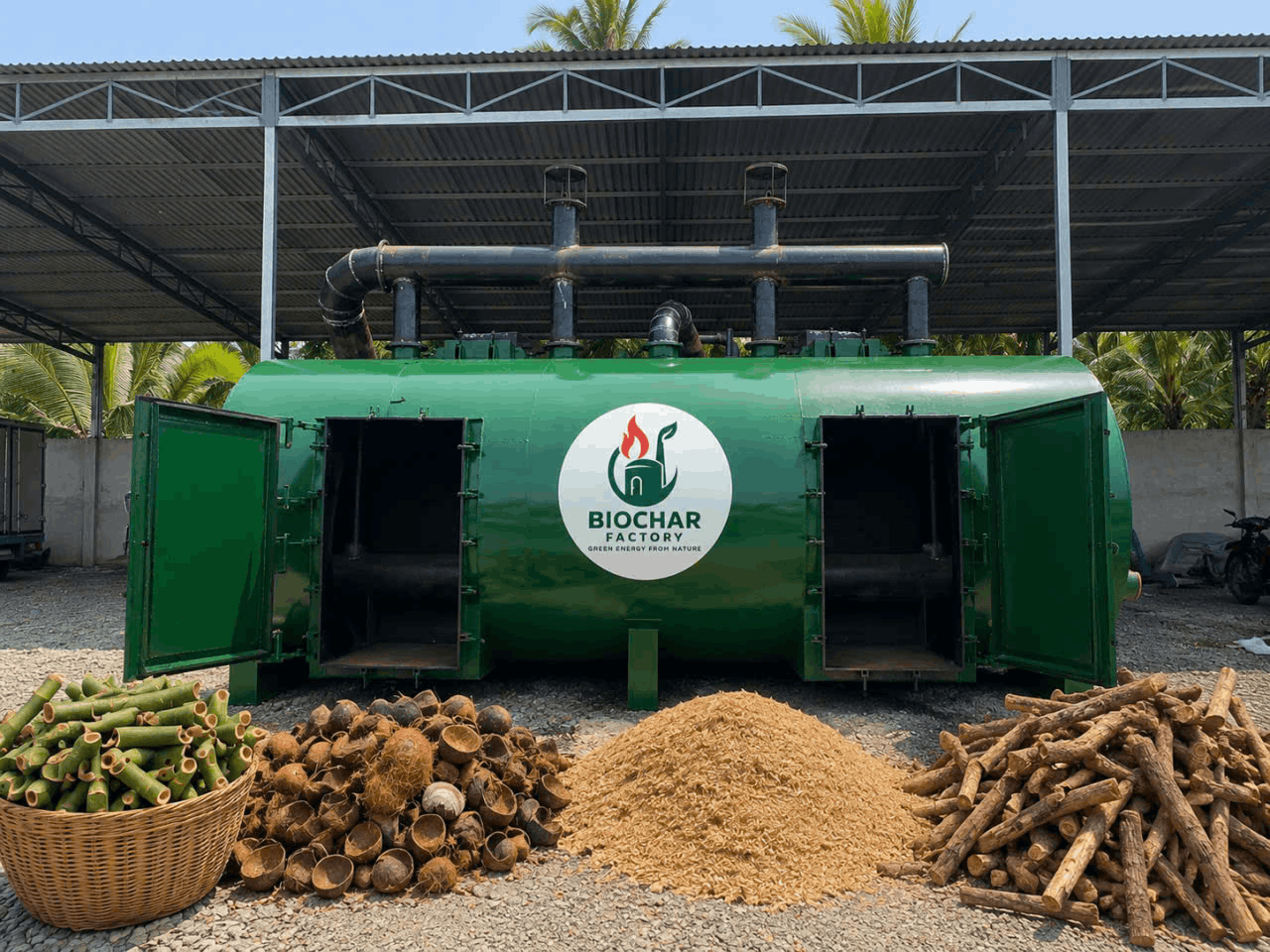
Common feedstocks used for biochar production include:
- Durian husks
- Coconut shells
- Coffee husks
- Rice husks
- Sawdust
- Wood branches
- Agricultural residues
- Other biomass waste
Unlike conventional burning, pyrolysis preserves a significant portion of the carbon contained in the biomass, creating a highly porous and stable form of charcoal that can remain in soil for hundreds or even thousands of years.
Today, biochar is widely recognized as one of the most promising solutions for soil improvement, greenhouse gas mitigation, and sustainable agriculture.
How is Biochar Produced?
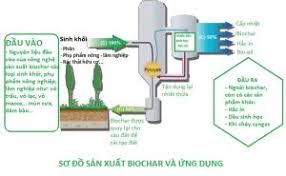
The biochar production process typically involves four main steps:
Step 1: Feedstock Preparation
Biomass materials are collected, sorted, and prepared.
Examples include:
- Coconut shells
- Durian husks
- Rice husks
- Sawdust
Materials with high moisture content are usually dried before entering the pyrolysis system.
Step 2: Carbonization (Pyrolysis)
The biomass is fed into a pyrolysis reactor.
Under oxygen-limited conditions, the material does not burn into ash but is transformed into:
- Biochar
- Syngas (pyrolysis gas)
- Bio-oil (depending on the technology used)
Step 3: Cooling
The biochar is cooled under controlled conditions to prevent spontaneous combustion.
Step 4: Final Processing
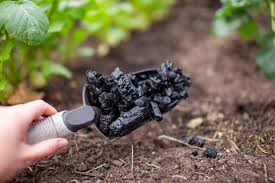
The biochar may be crushed, screened, or left in its original size depending on its intended application.
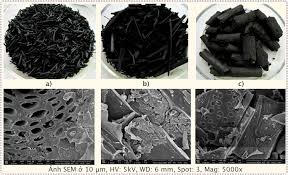
The Unique Structure of Biochar
Under microscopic observation, biochar exhibits a honeycomb-like porous structure containing millions of tiny pores.
This unique structure enables biochar to:
- Retain water effectively
- Hold nutrients within the soil
- Improve cation exchange capacity (CEC)
- Provide habitat for beneficial microorganisms
For this reason, biochar is often described as a “home for soil microbes.”
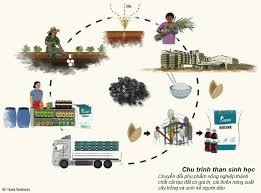
10 Key Benefits of Biochar
1. Improves Soil Structure
Biochar enhances soil porosity and promotes long-term soil health.
2. Increases Water Retention
The porous structure acts as countless miniature reservoirs, helping soils retain moisture.
This is especially beneficial for:
- Sandy soils
- Drought-prone areas
- Regions with limited irrigation water
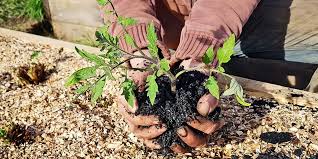
3. Reduces Nutrient Loss
Biochar helps minimize nutrient leaching, allowing plants to utilize fertilizers more efficiently.
4. Supports Beneficial Microorganisms
The porous surface creates favorable conditions for microbial growth and activity.
5. Lowers Fertilizer Costs
Improved nutrient retention can reduce fertilizer losses and application requirements.
6. Enhances Crop Productivity
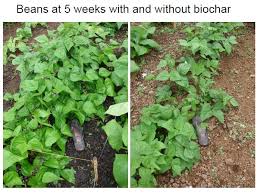
Numerous studies have reported improved crop performance when biochar is applied appropriately.
7. Reduces Odors in Livestock Farming
Biochar can adsorb gases and unpleasant odors from animal production systems.
8. Supports Environmental Remediation
Biochar is increasingly used in water treatment and pollutant adsorption applications.
9. Converts Agricultural Waste into Valuable Resources
Biochar transforms biomass residues into useful products rather than waste.
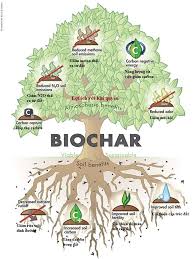
10. Long-Term Carbon Sequestration
This is one of biochar’s most important environmental benefits.
Stable carbon stored in biochar can remain in soil for centuries, helping mitigate climate change.
Biochar vs. Charcoal: What’s the Difference?
Many people confuse biochar with traditional charcoal.
| Criteria | Biochar | Charcoal |
|---|---|---|
| Primary Purpose | Soil Improvement | Fuel |
| Porosity | Very High | Moderate |
| Water Retention | High | Low |
| Nutrient Retention | High | Low |
| Carbon Sequestration | Excellent | Limited |
| Agricultural Application | Primary Use | Secondary Use |
Biochar Applications in Vietnam
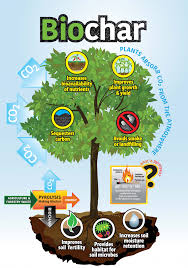
Biochar is increasingly being applied across multiple sectors.
Fruit Production
- Durian
- Coconut
- Jackfruit
- Pomelo
- Mango
Vegetable Production
- Organic farming
- Hydroponic systems
- Greenhouse cultivation
Livestock Farming
- Odor control
- Bio-bedding systems
Environmental Applications
- Water treatment
- Pollutant adsorption
Biochar and Carbon Credits
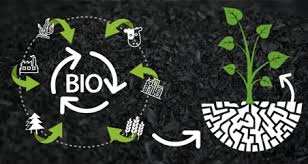
One of the reasons biochar has gained global attention is its remarkable carbon sequestration capability.
When agricultural residues are converted into biochar instead of being openly burned or left to decompose, a significant portion of the carbon remains locked within the material rather than being released into the atmosphere.
As a result, biochar projects have strong potential to participate in future carbon credit markets and contribute to global climate mitigation efforts.
GreenChar’s Mission
GreenChar is committed to converting agricultural residues such as durian husks, coconut shells, and other biomass resources into high-quality biochar products.
Our goal extends beyond producing agricultural inputs. We aim to promote circular economy principles, reduce carbon emissions, and create greater value for Vietnam’s agricultural sector.
Conclusion
Biochar is more than just a form of charcoal.
It represents a bridge between agriculture, environmental sustainability, and the emerging carbon economy.
As climate change challenges intensify and sustainability requirements become increasingly important, biochar is emerging as a transformative solution for soil restoration, carbon sequestration, and biomass waste valorization.
GreenChar believes that leveraging Vietnam’s abundant biomass resources to produce biochar can help build a greener, more circular, and more sustainable agricultural future.